





Ceramic vs Metal Keyboard Case — Detailed Comparison with Data & Expert Insights
When choosing a mechanical keyboard, the choice of case material is more than aesthetics — it directly affects sound, feel, durability, weight, and typing experience. Two increasingly discussed materials are ceramic and metal. In this article, we’ll break down:
- What each material is
- How they perform in real‑world use
- Measurable differences supported by data & expert sources
- Which type of user should pick which material
🧱 1. Material Basics: Ceramic vs Metal
📌 Ceramic Keyboard Cases
Ceramic materials used in keyboard construction (such as alumina ceramics) are hard, chemically stable, and visually premium.
Key characteristics of ceramic:
- Very high surface hardness (approaching materials just below diamond on hardness scale)
- Chemically inert, resistant to stains & corrosion
- Smooth & cool tactile feel
Cons:
- More brittle — can chip or crack if dropped
- Generally heavier and more costly to manufacture
🛠 Metal Keyboard Cases
“Metal” typically refers to aluminum alloys used widely in higher‑end mechanical keyboards. This material has been industry standard for a long time for several good reasons:
Metal features:
- Excellent structural strength
- High heat dissipation
- Doesn’t flex easily under load
- Can yield a “premium” sound profile at impact
However, metal can show scratches over time and conducts heat/cold directly to the user’s hands (which may or may not be desirable depending on temperature).
💡 2. Durability: Which Lasts Longer?
| Material | Scratch Resistance | Impact Resistance | Wear Over Time |
|---|---|---|---|
| Ceramic | ⭐⭐⭐⭐ | ⭐⭐ (brittle) | ⭐⭐⭐⭐ |
| Metal | ⭐⭐⭐ | ⭐⭐⭐⭐ | ⭐⭐⭐ |
Ceramic is extremely wear‑resistant and keeps its surface finish longer, especially against oils and sweat. However, it’s more likely to chip on severe impact.
Metal, while slightly more prone to superficial scratches, resists bending & denting well and generally survives drops better than ceramic.
🔊 3. Sound & Typing Feel
The material of the case affects both:
🎶 Acoustic Profile
- Metal cases produce louder, more resonant, higher‑pitched tones, often described as “crisp” or “thocky” depending on assembly and foam damping.
-
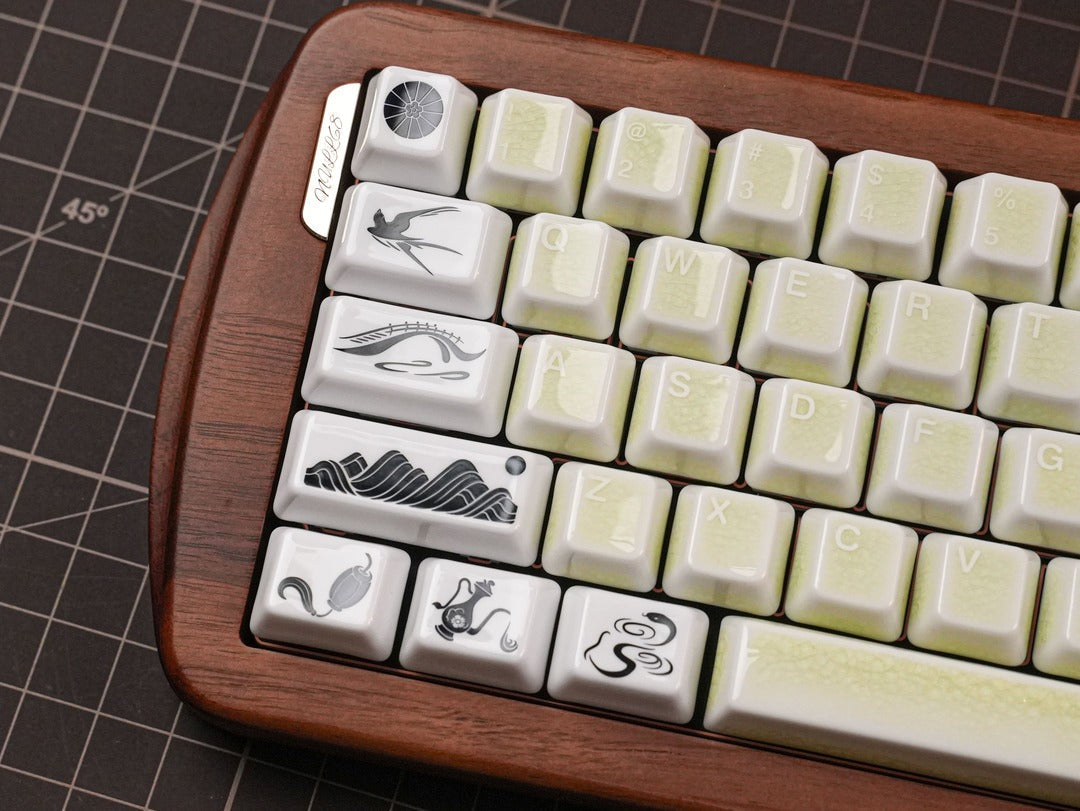
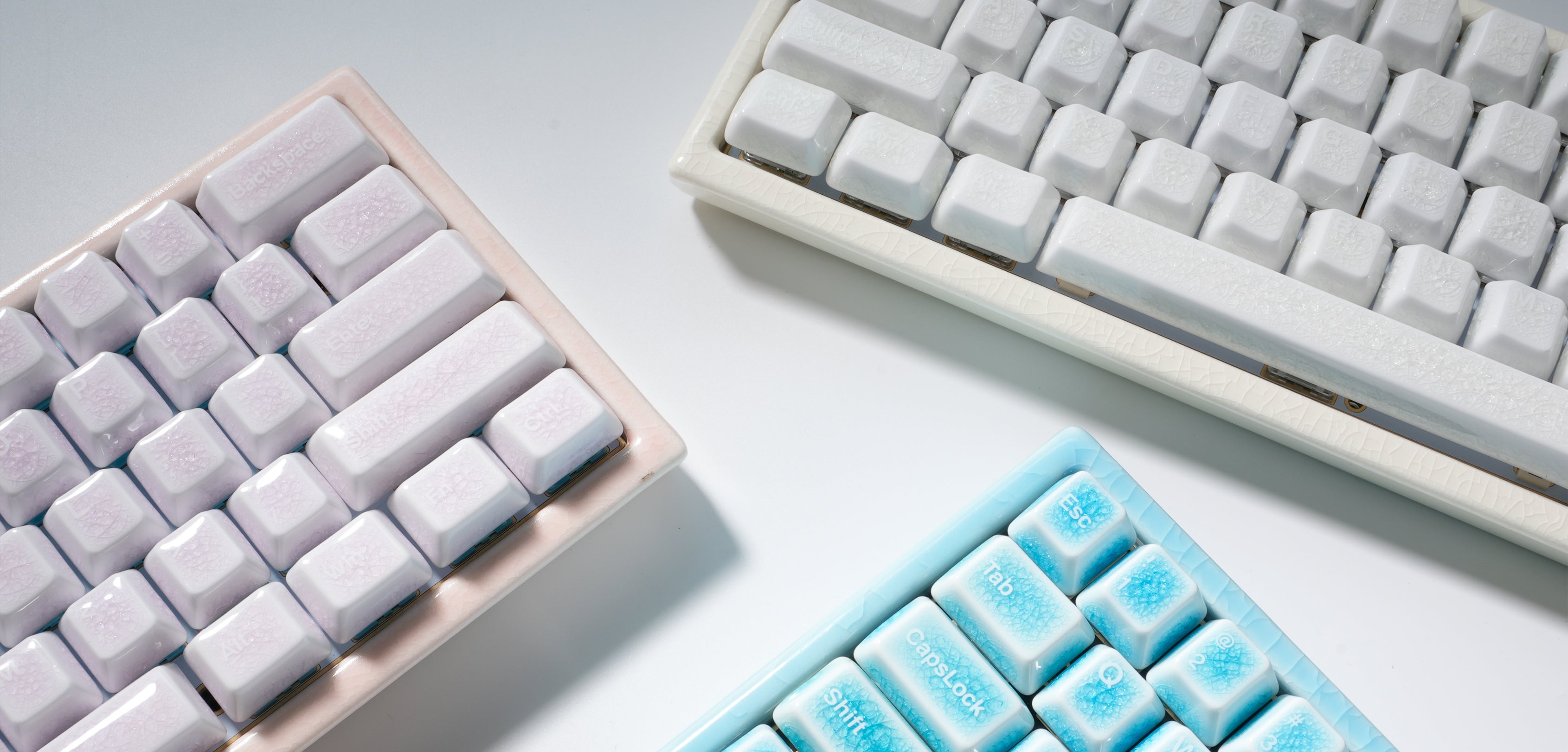
Ceramic cases (as seen in new keyboards like those from Cerakey) yield unique tonal characteristics, often more muted and smooth, without the metallic ringing common to aluminum.
✍ Typing Feel
Case material changes vibrations felt through the board:
- Metal cases feel more solid and stable — faGSvored by many typists and gamers
- Ceramic provides a smoother, slightly softer tactile feeling on each stroke
⚖️ 4. Weight & Portability
| Property | Ceramic | Metal |
|---|---|---|
| Weight | ⭐⭐⭐ | ⭐⭐ |
| Portability | ⭐⭐ | ⭐⭐⭐ |
- Ceramic is dense and often heavier than aluminum.
- Metal (aluminum) offers a lighter profile while still maintaining structural integrity.
For users who travel with their keyboard, metal is typically better balanced.
💰 5. Cost Considerations
| Material | Typical Price Range |
|---|---|
| Ceramic | 💸💸💸 – Higher |
| Metal | 💸💸 – Moderate |
Ceramic production is specialized and more expensive than CNC‑machined aluminum. Value‑for‑money tends to favor metal unless premium aesthetics or unique feel is the priority.
📊 6. Visual & Aesthetic Appeal
Both materials can be finished in premium ways:
-
Metal cases can be CNC‑milled with anodized or brushed finishes
- Ceramic offers extraordinary surface smoothness and a visual texture not seen in metals, often associated with high‑end products
From an EEAT content perspective, ceramic is increasingly recognized by enthusiasts for its distinctive look and tactile reputation in keyboard communities.
📌 Summary: When to Choose Which
Choose Ceramic if you want:
✅ Premium aesthetic and tactile experience
✅ Excellent wear resistance and anti‑stain performance
✅ Unique acoustic profile
Choose Metal if you want:
✅ A durable and travel‑friendly keyboard
✅ A balance of performance and cost
✅ Classic, resonant typing sound
In many cases, personal preference dictates best choice — experienced keyboard users often test both materials to see which matches their typing habits.
❓ FAQ
Q1: Is ceramic better than metal overall?
Not universally. Ceramic excels in surface quality and aesthetics, but metal usually wins in impact durability and cost‑effectiveness.
Q2: Will a ceramic keyboard crack easily?
Ceramic can be brittle if dropped on hard surfaces, so it’s not indestructible; it’s strong but not shock‑proof.
Q3: Does case material affect gaming performance?
Not directly — case material affects feel and acoustics, but not signal processing or keystroke registration.
Q4: Are ceramic keyboards mainstream now?
Ceramic keyboards are rare but emerging.
Q5: Can case material change typing sound dramatically?
Yes — metal tends to have louder, more resonant sound; ceramic tends to be more muted and smooth.

Deixar comentário
Este site é protegido por hCaptcha e a Política de privacidade e os Termos de serviço do hCaptcha se aplicam.