

If you’ve spent more than five minutes in the mechanical keyboard community recently, you’ve likely heard the term "Gasket Mount" tossed around like it’s the secret sauce to typing heaven. But is it just another marketing buzzword, or does it actually change the game—especially when paired with high-end materials like ceramic?
Let’s skip the corporate jargon and dive into why the Gasket Mount has become the gold standard for enthusiasts and why your fingertips might be craving it.
What is a Gasket Mount, Anyway? (The "Cloud-Like" Secret)
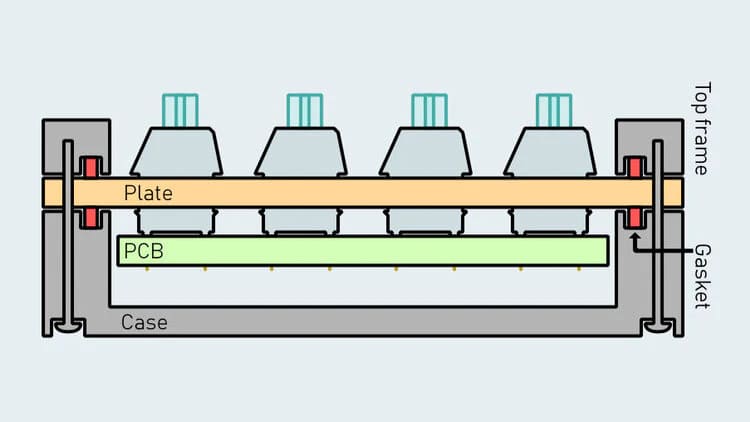
In a traditional keyboard (Tray Mount), the internal plate is screwed directly into the bottom case. It’s rigid, stiff, and often vibrates like a tuning fork when you type fast.
Gasket Mount changes the DNA of the keyboard. Instead of screws, it uses pieces of rubber-like material (usually Poron or silicone) to "sandwich" the plate and PCB. The internals are essentially floating.
Why does this matter?
-
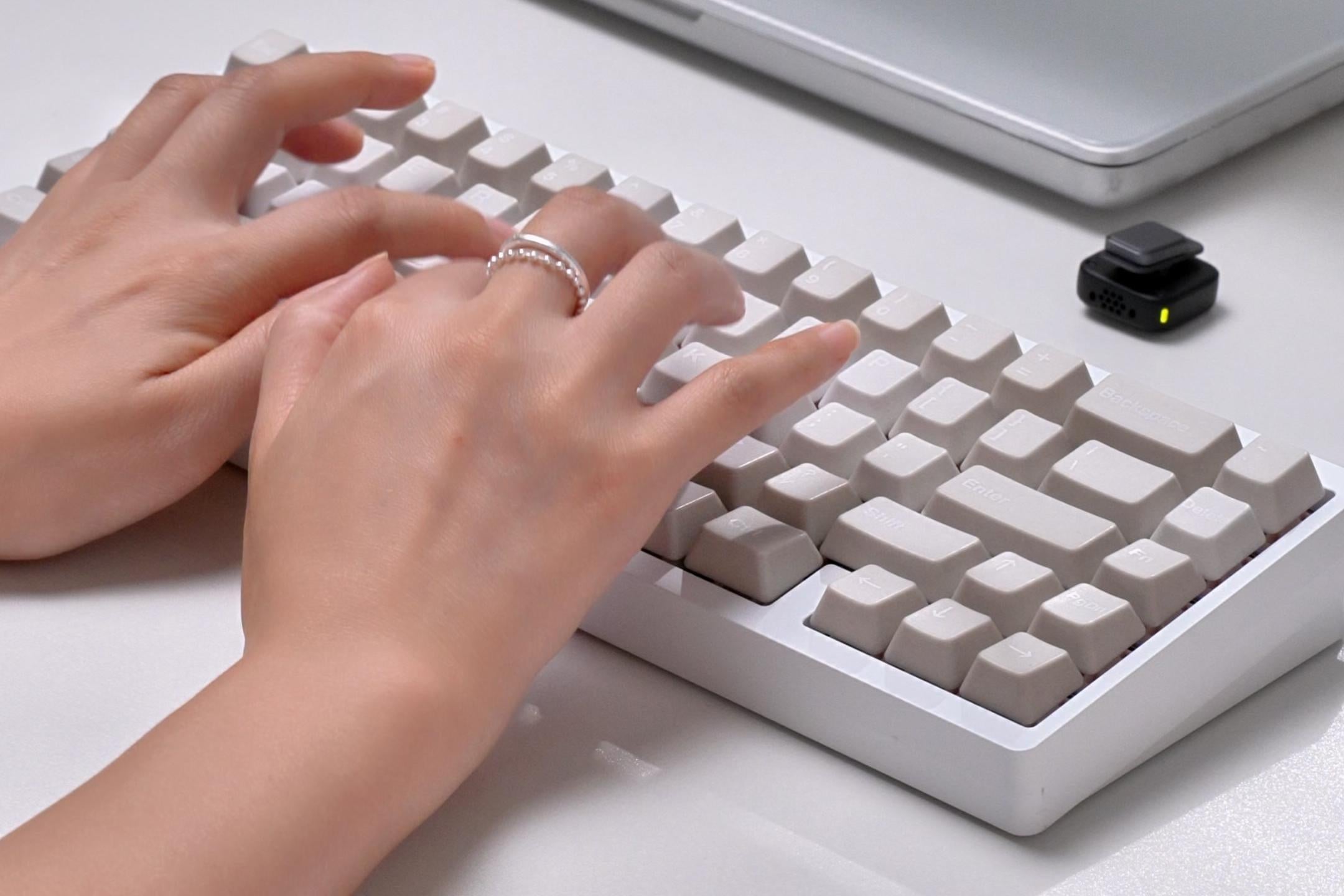
The Flex: When you press a key, the whole assembly gives slightly. It’s like the difference between walking on concrete versus a professional running track.
-
The Silence: The gaskets act as shock absorbers, stripping away that annoying metallic ping and leaving you with only the pure sound of your switches and keycaps.
The Perfect Marriage: Gasket Mount + Ceramic Keycaps
Here is where it gets interesting for the Cerakey community. Ceramic keycaps are famous for their high density and unique acoustic profile.
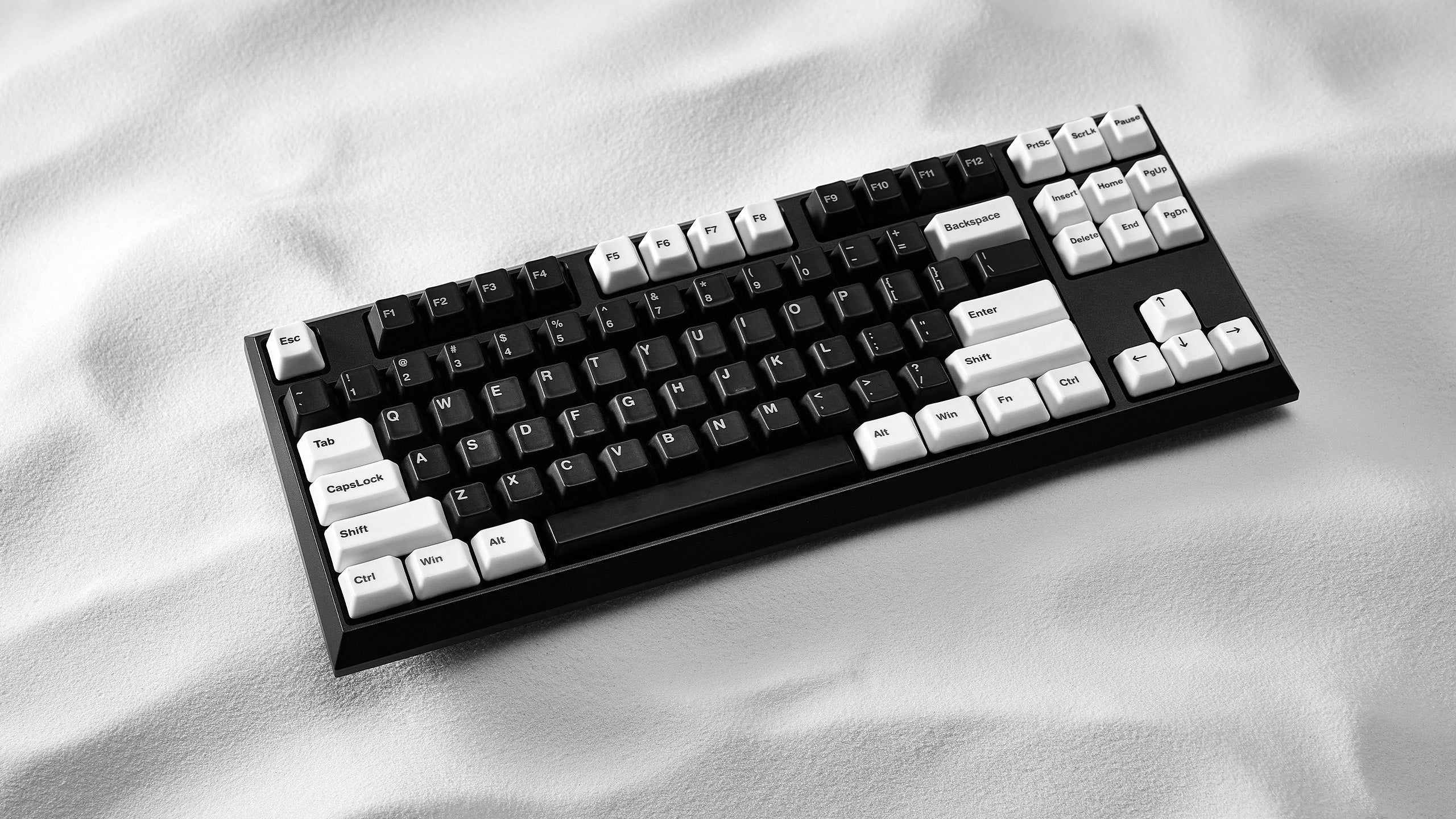
When you put heavy, premium ceramic caps on a stiff Tray Mount board, the impact can sometimes feel "harsh" on the joints. But on a Gasket Mount board? It’s magic.
-
Enhanced "Thock": Ceramic is naturally "thocky." The gasket structure cleans up the background noise, allowing that deep, marbly ceramic sound to take center stage.
-
Balanced Inertia: The weight of ceramic keycaps helps compress the gaskets more effectively, leading to a more consistent and cushioned bottom-out feel that PBT or ABS simply can't replicate.
Pro Tip: If you’re building a "silent but satisfying" setup, a gasket-mounted 75% board with linear switches and Cerakey v2 caps is the current "endgame" for many enthusiasts in 2026.
Gasket Mount vs. The Rest: A Quick Breakdown
| Feature | Tray Mount | Top Mount | Gasket Mount |
| Feel | Stiff & Rigid | Consistent | Flexible & Soft |
| Sound | Often "Pingy" | Sharp & Clear | Deep & Muted (Thocky) |
| Price | Budget-friendly | Mid-range | Premium / High-end |
| Best For | Casual Users | Gamers | Typists & Enthusiasts |
Is it Worth the Upgrade?
If you spend 8+ hours a day typing—whether you're coding in Berlin or gaming in New York—the ergonomics of a Gasket Mount are a lifesaver. It reduces finger fatigue and turns a mundane task into a tactile ritual.
However, keep in mind that "Gasket Mount" isn't a protected term. Some budget boards use "Fasket" (Fake Gasket) designs that don't actually flex. Look for boards that specify Poron gaskets and long-strip designs for the best experience.
The Verdict: The New Standard is Here
Is Gasket Mount the new standard? Absolutely. It’s no longer a niche luxury; it’s the foundation of any premium typing experience. When you combine the sophisticated engineering of a gasket-mounted board with the artisanal feel of ceramic keycaps, you aren't just building a tool—you're building an instrument.
Ready to hear the difference? Check out our latest Ceramic Keycap collection and see how they transform your Gasket-mounted build into a "thocky" masterpiece.

Để lại bình luận
Trang web này được bảo vệ bằng hCaptcha. Ngoài ra, cũng áp dụng Chính sách quyền riêng tư và Điều khoản dịch vụ của hCaptcha.