



The keyboard world is currently obsessed with one thing: Hall Effect (HE) switches. From the Wooting 60HE to the latest RAKKA boards, we’ve entered an era where 0.1mm actuation and Rapid Trigger are the baseline.
But here’s the question no one is asking loud enough: Is your high-end aluminum case actually sabotaging your magnetic performance? If you’re building a top-tier magnetic setup, the "Aluminum vs. Ceramic" debate isn't just about looks—it’s about physics. Let’s dive into why your choice of housing matters more than you think.
The Elephant in the Room: Signal Interference
Aluminum is the industry standard. It’s heavy, it’s premium, and we love the industrial chill. But aluminum is a conductor. When you’re dealing with Hall Effect sensors that rely on precise magnetic field measurements, putting them inside a metal box can occasionally create "noise" or signal shielding.
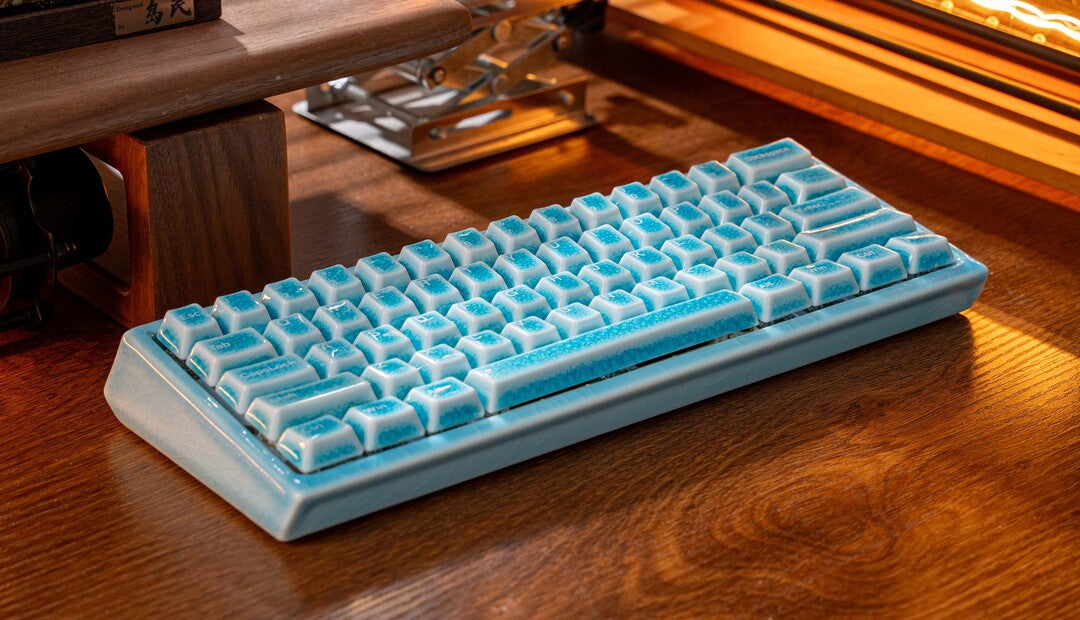
The Ceramic Advantage: Ceramic is a natural insulator. It’s electromagnetically "invisible." When you drop a magnetic PCB into a case like the Peak60, you’re giving those sensors a clear, interference-free environment. For competitive gamers where every millisecond of Rapid Trigger counts, that peace of mind is priceless. No jitter, just pure magnetic precision.
The Acoustic Profile: "Ping" vs. "Thock"
We’ve all spent hours (and way too much money) on foam, tape mods, and gaskets to get rid of the "ping" in aluminum cases. Metal reflects sound in a sharp, high-pitched way.
Ceramic is a different beast entirely. It’s incredibly dense—denser than aluminum—but it absorbs vibrations differently. The result? A sound profile that is naturally deeper and "clackier" without the hollow metallic echo. It’s a sophisticated "thock" that feels solid, not filtered.
Aesthetics: Industrial Tool vs. Desktop Art
Let’s be real—most aluminum cases look like they came off the same CNC assembly line. They’re great, but they lack soul.
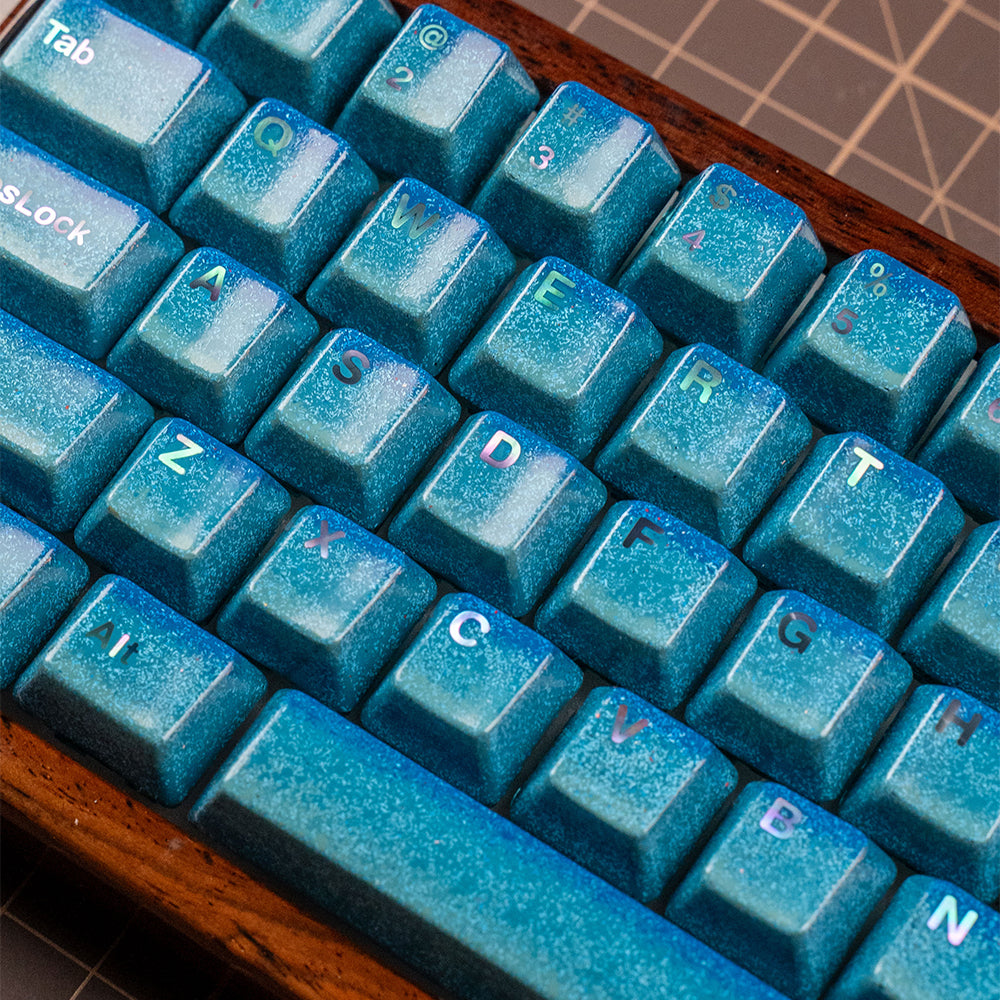
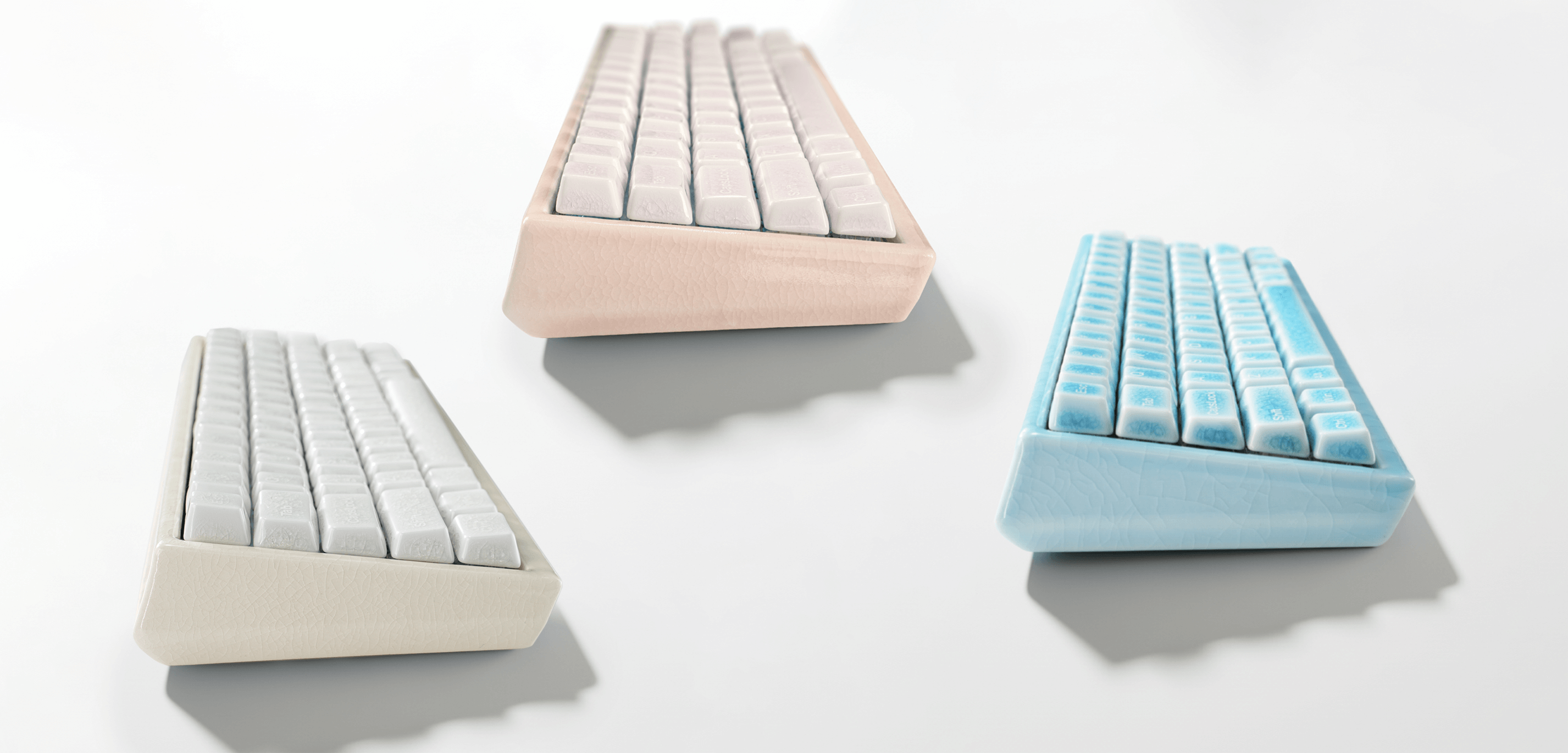
Ceramic brings the art of the kiln to your desk. Take a look at the Ice-Crazed Glaze on the Peak60. That’s achieved at 1200°C. Each case has a unique pattern of organic cracks under the smooth surface. It feels like jade—cool to the touch but warms up as you type. It’s not just a tool; it’s a centerpiece.
Durability & Everyday Use
- Aluminum: Prone to scratches and denting. If you slip with a screwdriver during a build, that mark is there forever.
- Ceramic: High-fire ceramic is incredibly scratch-resistant. It maintains its gloss and finish years down the line. Plus, it’s surprisingly heavy, giving your 60% board a "planted" feel that won't slide around during an intense Valorant clutch.
The Verdict: Which One Should You Pick?
- Stick with Aluminum if: You want the classic, matte industrial look and don't mind the occasional metallic resonance.
- Upgrade to Ceramic if: You want the absolute best environment for your magnetic switches, crave a unique "jade-like" tactile experience, and want a keyboard that looks more like a piece of art than a peripheral.
The Peak60 was designed specifically to bridge this gap—offering a GH60-compatible ceramic housing that’s ready for the magnetic revolution.

Leave a comment
This site is protected by hCaptcha and the hCaptcha Privacy Policy and Terms of Service apply.