





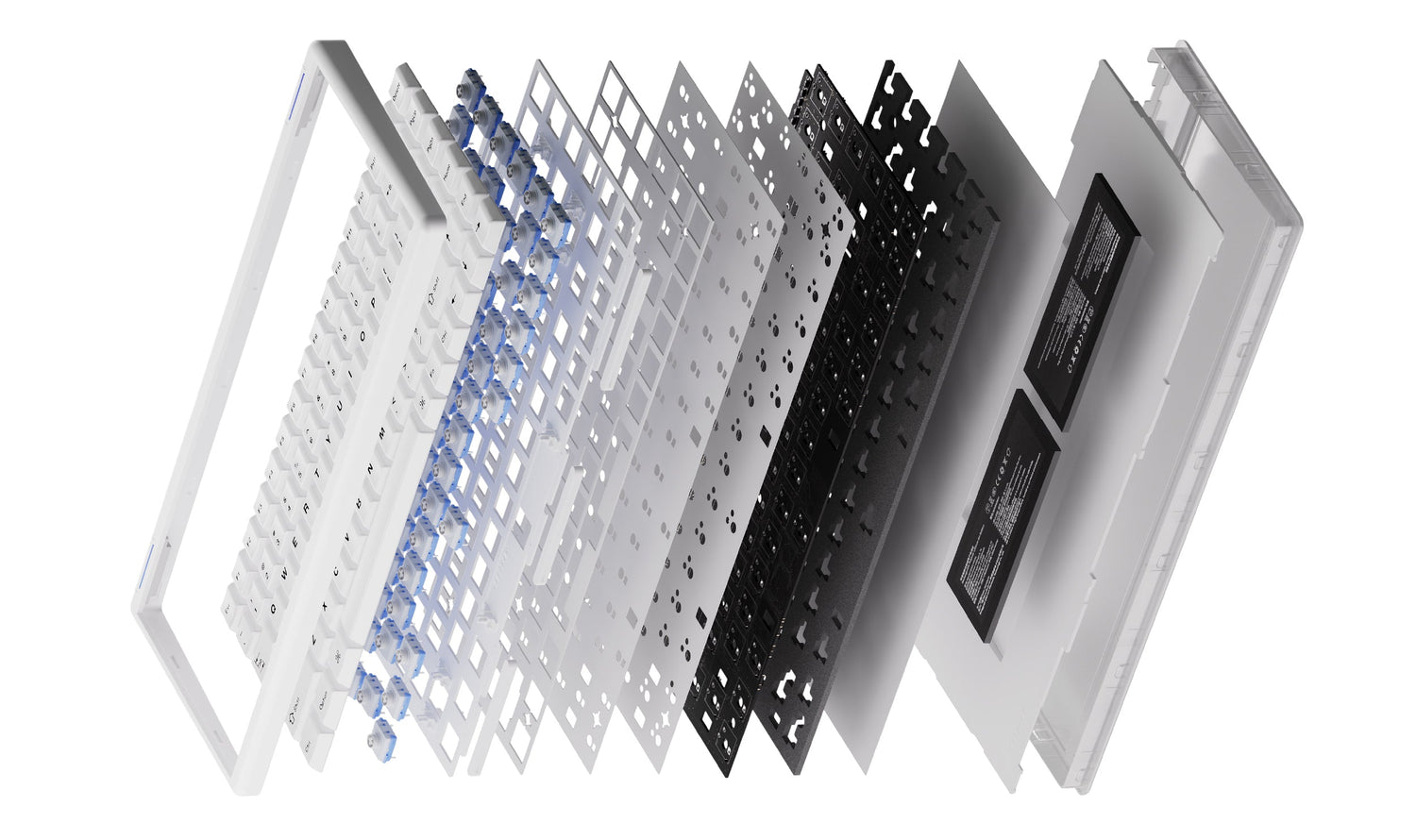
Keyboard Mounting Style: How It Affects Your Keyboard
When it comes to mechanical keyboards, enthusiasts and professionals alike often focus on key switches, keycaps, and aesthetics. However, one crucial aspect that significantly impacts typing feel and sound is the mounting style. The mounting style of a keyboard refers to how the key switches are positioned on the board and how they interact with the rest of the components. This seemingly minor detail plays a pivotal role in how your keyboard feels, sounds, and performs. In this article, we'll explore how different mounting styles affect the typing experience, and why choosing the right one for your needs can make a huge difference.
What is Keyboard Mounting Style?
At its core, the keyboard mounting style dictates how the key switches are attached to the board. Typically, there are three main types: top-mounted, tray-mounted, and bottom-mounted. Each style has its unique characteristics that influence the overall feel and sound of your keyboard.
- Top-Mounting: In top-mount keyboards, the key switches are mounted directly onto a metal or plastic plate, which is then attached to the top of the case. This setup offers a firm, rigid feel and often results in a more responsive typing experience.
- Tray-Mounting: Tray-mounted keyboards place the key switches in a tray-like structure, often made of plastic. This style allows for a bit of flexibility, leading to a softer and sometimes quieter typing feel. Tray-mounted boards are often the most affordable, but they can feel less premium compared to top-mounted boards.
- Bottom-Mounting: In bottom-mount setups, the key switches are mounted directly on the bottom of the keyboard's frame. This style is rare but can provide an extremely stable and cushioned typing experience, often favored by those who prioritize a quiet and smooth feel.
How Does Mounting Style Affect Typing Feel?
The mounting style of your keyboard directly impacts the typing feel, particularly in terms of the amount of bounce, flexibility, and feedback you get from each keystroke.
- Top-Mounted Keyboards: The rigid structure of a top-mounted keyboard provides a firm, stable feel with minimal flex. This setup is ideal for those who prefer precise, direct feedback from their keyboard, as the plate acts as a solid foundation for the key switches. Typing on a top-mounted keyboard tends to feel more "crisp," especially with tactile or clicky switches, as there's less give between the key switches and the plate.
- Tray-Mounted Keyboards: Tray-mounted keyboards have more flex, which can create a more cushioned feel under your fingers. This type of mounting style can be beneficial for those who prefer a softer typing experience, as the extra flex can provide a more comfortable feel with less fatigue during long typing sessions. However, the increased movement can sometimes result in a "mushy" typing experience, especially for those who like a snappy response.
- Bottom-Mounted Keyboards: The bottom-mount style offers exceptional stability, making it a great choice for people who prefer a quieter and smoother typing experience. This mounting style absorbs much of the impact from key presses, leading to a softer overall feel. For those who prefer to type with a little more cushioning and less feedback, bottom-mounted boards are a solid choice.
How Does Mounting Style Affect Sound?
Sound is another factor heavily influenced by mounting style. Depending on the setup, keyboards can produce different acoustics based on the interaction between the key switches, plate, and case.
- Top-Mounted Keyboards: These keyboards tend to produce a more "sharp" or "clacky" sound due to the rigidity of the mounting style. The metal or plastic plate creates a solid surface that reflects sound, resulting in a brighter, louder tone. This can be appealing to users who enjoy a more traditional mechanical keyboard sound.
- Tray-Mounted Keyboards: With tray-mounted keyboards, the sound tends to be softer and less resonant compared to top-mounted designs. The extra flex in the tray can mute some of the sharpness of the sound, creating a quieter, more subdued typing experience. This makes tray-mounted boards a popular choice for people who want a quieter typing experience without sacrificing too much key feel.
- Bottom-Mounted Keyboards: As with typing feel, bottom-mounted boards tend to have a quieter sound profile. The cushioning effect of the mounting style absorbs much of the noise produced by key presses, leading to a more dampened, softer sound. This is a great option for those who want to keep noise levels low while typing.
Which Mounting Style Is Right For You?
Ultimately, the best mounting style for your keyboard depends on your personal preferences and how you prioritize feel and sound. If you want a firm, responsive typing experience with a brighter sound, a top-mounted keyboard might be your best option. On the other hand, if you prefer a softer feel with a more muted sound, tray or bottom-mounted boards may be more suitable.
It's also worth noting that the material and construction quality of the keyboard can further affect the overall experience. For example, a high-quality top-mounted board with a solid metal plate can provide a different feel and sound compared to a more budget-friendly version. As always, trying out different mounting styles in person, if possible, is the best way to figure out which works best for you.
FAQ
Q1: Does mounting style affect the durability of my keyboard?
A1: Yes, mounting style can impact the longevity of your keyboard. Top-mounted keyboards tend to be more durable because of the solid construction and less flex, which reduces wear and tear over time. Tray-mounted and bottom-mounted boards may experience more flex, which could lead to quicker degradation in some cases.
Q2: Can the mounting style affect key switch performance?
A2: Absolutely. The mounting style can influence how the key switches feel and behave. A rigid top-mount setup may provide a more stable keypress, while a more flexible tray or bottom mount can cause key switches to feel slightly less stable, which could impact performance, especially with lighter switches.
Q3: Is a bottom-mounted keyboard quieter than a top-mounted one?
A3: Generally, yes. Bottom-mounted keyboards tend to absorb more of the sound, making them quieter compared to top-mounted keyboards, which often have a sharper, more resonant sound.
Q4: Which mounting style is best for long typing sessions?
A4: If you're typing for extended periods, a tray-mounted or bottom-mounted keyboard may be more comfortable, as the additional flex can reduce strain on your fingers. However, if you prefer a firmer feel, a top-mounted board could provide the responsiveness needed for accuracy and precision.


Leave a comment
This site is protected by hCaptcha and the hCaptcha Privacy Policy and Terms of Service apply.