



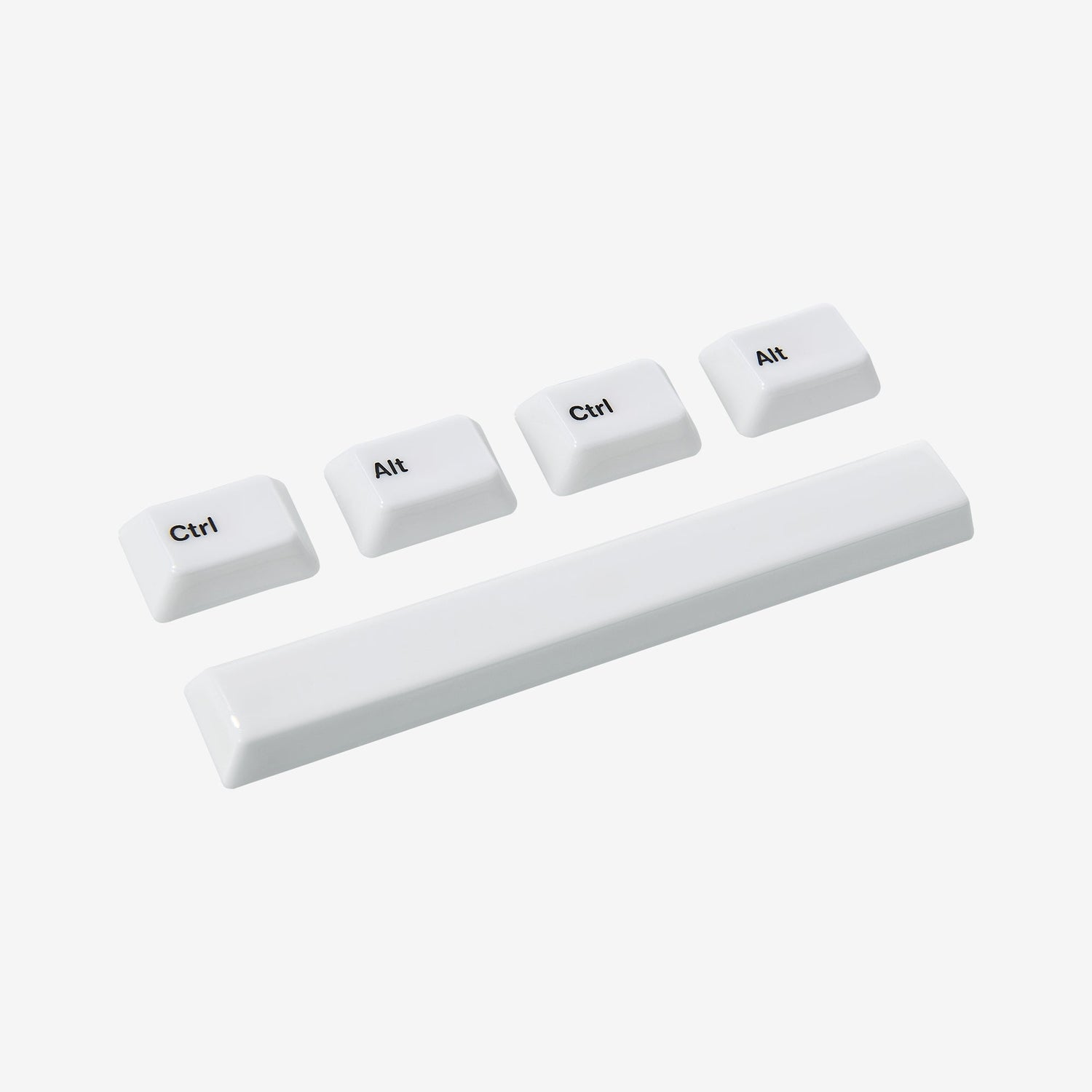
The spacebar is the "front porch" of your keyboard. As the largest key, it defines the acoustics, aesthetics, and overall typing rhythm of your build. While standard PBT sets are functional, an artisan spacebar transforms a tool into a masterpiece.
But how do you choose the right one? From material density to sound profiles, here is your ultimate guide to selecting the perfect centerpiece for your custom keyboard.
1. Why the Spacebar is the "Main Stage"
Most enthusiasts spend hundreds on switches and cases, only to overlook the one key they press the most. A custom spacebar isn't just about looks; it’s about:
- Acoustics: The large hollow chamber of a spacebar can either sound "tinny" or provide that deep, satisfying "Thock."
- Visual Balance: It acts as an anchor for your entire desk setup's color theme.
- Tactile Feedback: The weight of the material affects how your thumb perceives the switch's return.
2. Top Design Trends in 2026: What’s Hot?
If you want your setup to stand out, these are the trends currently dominating the enthusiast community:
The Ceramic Revolution (Deep & Clean)
Ceramic is the new frontier. Unlike plastic, Ceramic Spacebars (like those from Cerakey) offer a cool-to-the-touch feel and a unique high-density sound profile. It’s the ultimate choice for those who want a "heavy" premium feel without the weight of metal.
Nature-Inspired Resin Art
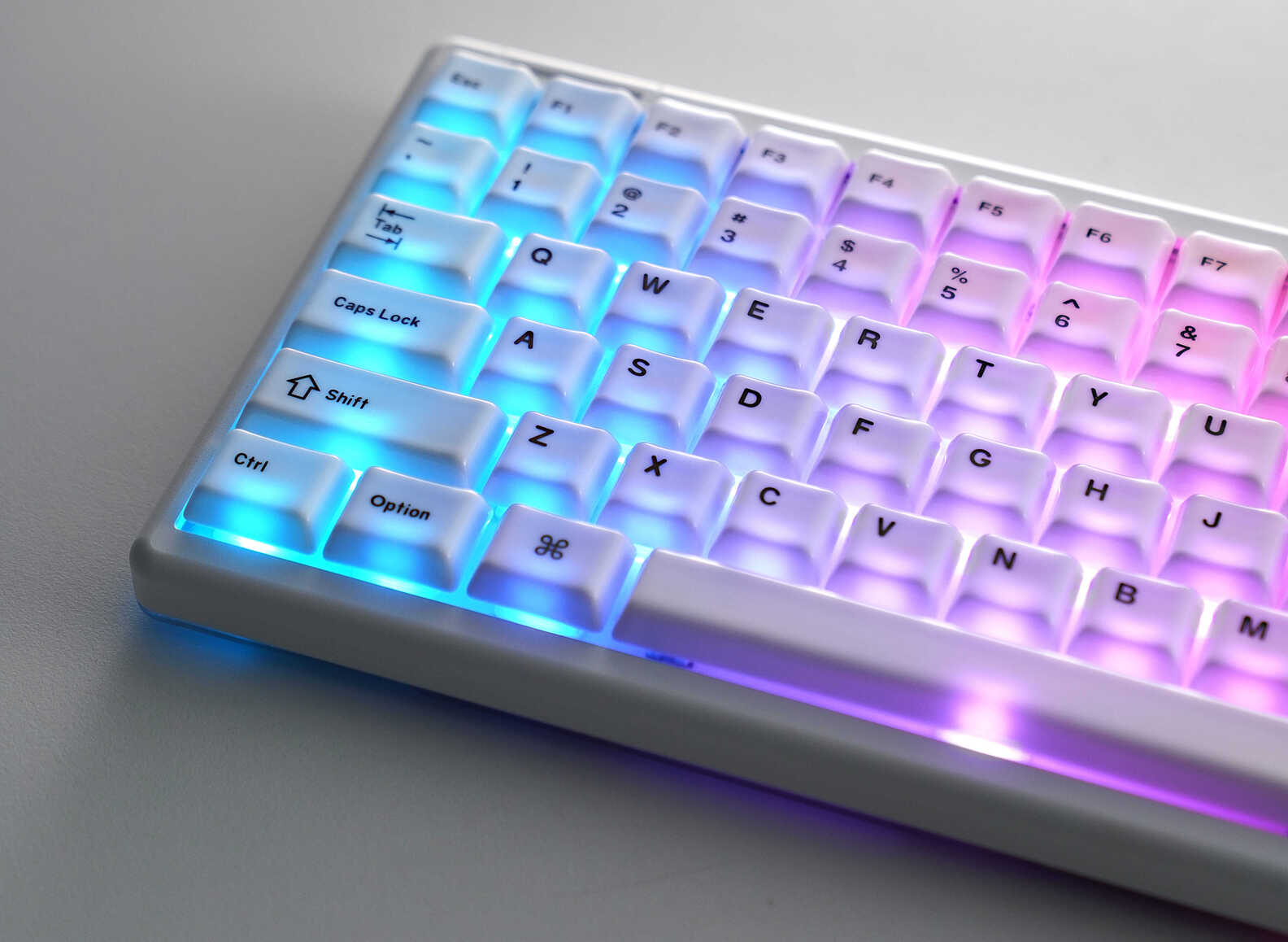
From koi ponds to mountain ranges, encapsulated resin remains a favorite. These are "miniature worlds" under your thumb, best paired with RGB lighting to highlight the internal details.
Minimalist Geometry
Moving away from flashy icons, many are choosing clean, solid-colored artisan bars with unique textures—matte, gloss, or even "cracked earth" patterns—to match a professional aesthetic.
3. Technical Check: Size and Fitment (Don't Skip This!)
Before buying, you must ensure compatibility. An artisan spacebar that doesn't fit is just an expensive paperweight.
- 6.25u vs. 7u: This is the most common pitfall. Most standard boards use 6.25u, but "WKL" (Winkeyless) or HHKB layouts often require a 7u bar.
- Stem Alignment: Ensure the artisan uses standard MX-style stems.
- Weight vs. Spring: Heavy materials like ceramic or thick resin may require a slightly heavier switch spring (e.g., 60g+) to ensure a snappy return.
4. How Material Affects Your "Sound Signature"
The material of your spacebar is the biggest factor in your keyboard's "voice":
| Material | Sound Profile | Best For |
| PBT/ABS | High-pitched, "Clack" | Budget builds, standard typing |
| Resin | Muted, slightly hollow | Artistic setups, RGB lovers |
| Ceramic | Deep, Solid "Thock" | Premium builds, acoustic purists |
| Wood | Warm, organic | Retro or "Zen" desk setups |
5. Pro Tip: Balancing the "Spacebar Thock"
To make your new artisan spacebar truly shine, don't forget the stabilizers.
- Lube your stabs: Use Krytox 205g0 to eliminate rattle.
- Add Spacebar Foam: If your resin bar sounds too hollow, a small strip of poron foam inside can deepen the note.
- The Ceramic Advantage: One reason users switch to Cerakey spacebars is that the inherent density of ceramic naturally eliminates the "cheap plastic ping" without needing extra foam.
Conclusion: Make Your Mark
Your spacebar is the most-touched part of your digital life. Whether you go for the intricate art of resin or the sophisticated, deep acoustics of Ceramic, choosing a custom centerpiece is the fastest way to level up your typing experience.
Ready to find your perfect fit?

แสดงความคิดเห็น
เว็บไซต์นี้ได้รับการคุ้มครองโดย hCaptcha และมีการนำนโยบายความเป็นส่วนตัวของ hCaptcha และข้อกำหนดในการใช้บริการมาใช้